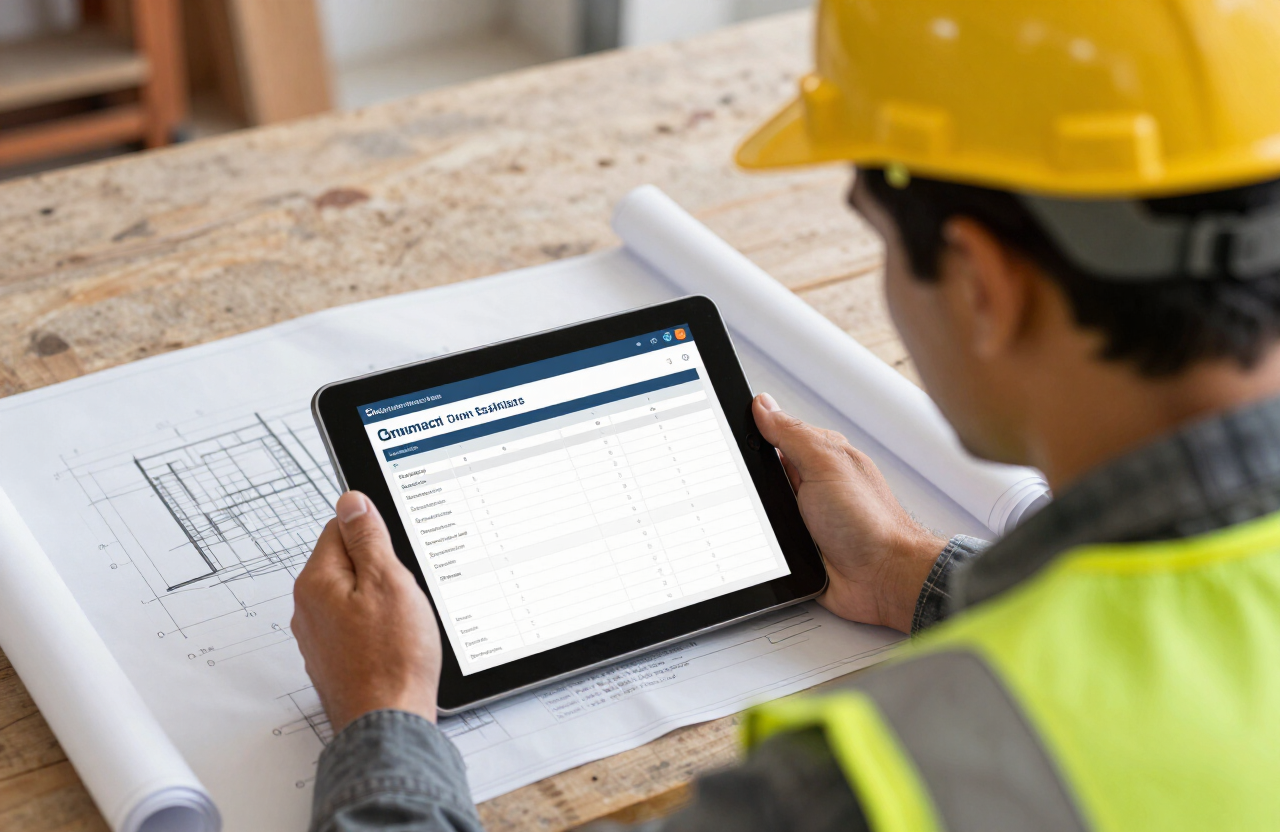
Job costing is the feature that matters
Generic bookkeeping software tells you total income and expenses. Contractor-friendly software tells you whether each individual job was profitable, by tracking materials, labor, and costs against that specific project. If a tool can't break profitability down by job, you're missing the single most useful piece of financial information a contracting business can have.
What to compare
Look at: job costing depth, ease of sending invoices and getting paid online, mileage tracking, receipt capture from your phone, integration with estimating or scheduling tools you already use, and whether your accountant can access it directly at tax time without an export headache. Price matters less than whether you'll actually use it consistently — the best software is the one you open every week, not the one with the most features you never touch.
Start simple, upgrade when it hurts
Many one- and two-person operations do fine on general small-business accounting software with a job-costing add-on. Larger crews juggling multiple simultaneous jobs, subcontractors, and change orders usually outgrow that and move to construction-specific platforms that handle progress billing and retainage natively. Don't buy the expensive platform before you have the job complexity that justifies it.
Ready to run your own numbers instead of just reading about it?
Open the CalculatorEstimates only, based on 2026 costs. Figures are planning ranges, not quotes — fees and requirements vary by state, so confirm with your licensing board or a licensed provider.
Free Contractor Cost Updates
Get updated cost data, new calculator releases, and free business tips — no spam, unsubscribe anytime.
By subscribing you agree to our Privacy Policy. We never sell your data.